EEMB News

April 5, 2016

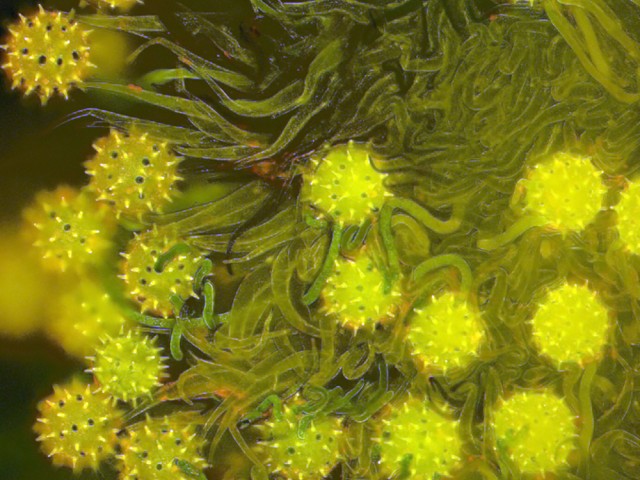
A Special Issue of the American Journal of Botany, Edited by UCSB botanist Susan Mazer, Explores the Latest Research on Pollen Performance

March 30, 2016

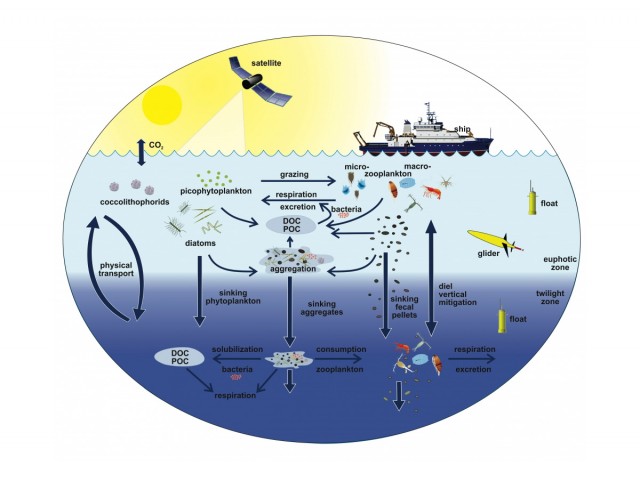
Researchers develop a scientific plan to measure the ocean’s carbon cycle and predict its future conditions, which have implications for climate change

March 10, 2016

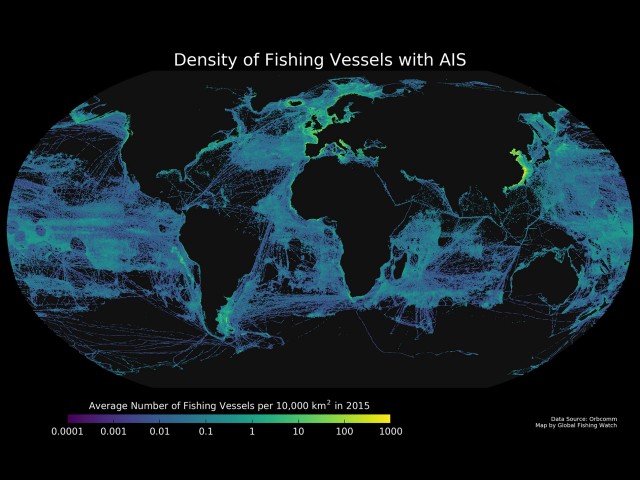
Beyond the breakers, the ocean is like the Wild West. While not completely lawless, its vastness and remoteness make it hard to observe and more difficult to manage human activity.

September 8, 2015

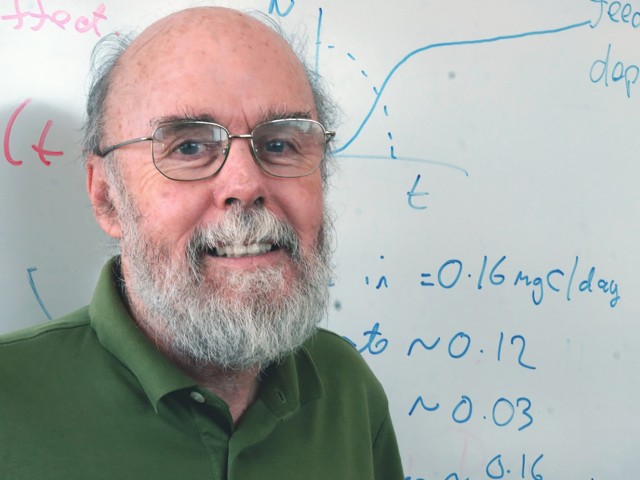
The U.S. Environmental Protection Agency has awarded an $800,000 Science to Achieve Results (STAR) grant to UC Santa Barbara’s Roger Nisbet. He will use the funding to develop a model to better understand biological and ecological consequences of exposure to metals, nanoparticles and certain flame retardants in industrial and consumer products. Such materials could pose a threat to human and environmental health.

August 20, 2015

A new general consumer-resource model spans the mathematics of a century’s worth of food web models and provides a common foundation for new food webs.

June 5, 2015

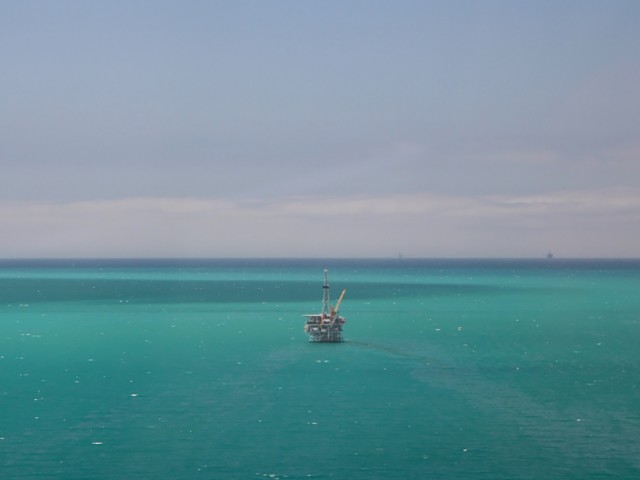
Debora Iglesias-Rodriguez studies the chalk-making phytoplankton that is turning the ocean turquoise in the Santa Barbara Channel.

May 20, 2015

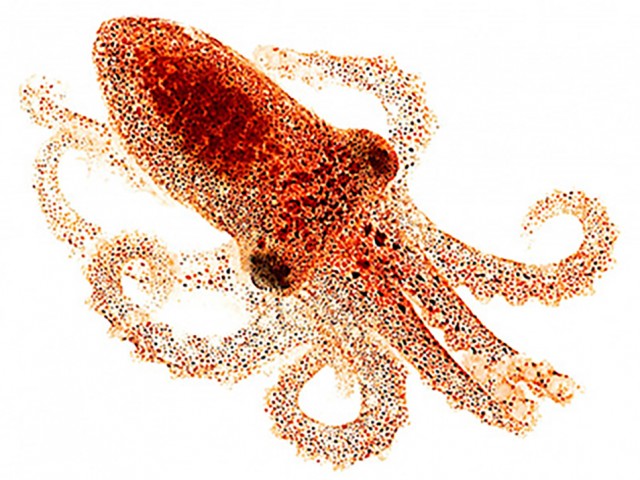
The octopus has a unique ability. It can change the color, pattern and even texture of its skin not only for purposes of camouflage but also as a means of communication. The most intelligent, most mobile and largest of all mollusks, these cephalopods use their almost humanlike eyes to send signals to pigmented organs in their skin called chromatophores, which expand and contract to alter their appearance.

April 14, 2015

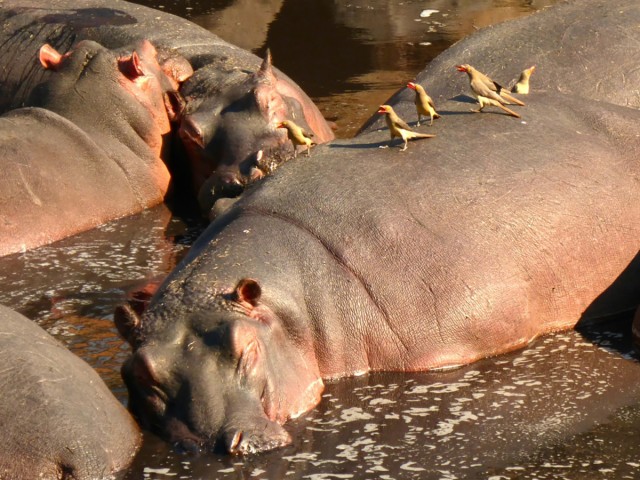
The common hippopotamus can spend up to 16 hours a day immersed in rivers and lakes. Lumbering out of the water at night, these herbivores graze on tropical grasses and consume 80 to 100 pounds in one meal.


March 30, 2015

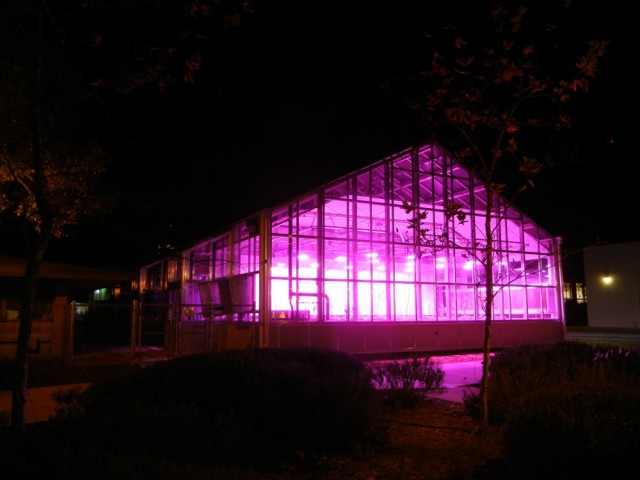
At UC Santa Barbara, the high-tech research greenhouses are more sophisticated than many smart homes. Temperature and lighting are automated to create and maintain specific environmental conditions researchers need for experimental work. For example, when the temperature rises, the sensors in the thermostat signal shade cloths to close in order to modify the amount of sunlight coming into the greenhouse.

January 21, 2015

Craig Carlson, chair of UC Santa Barbara’s Department of Ecology, Evolution, and Marine Biology (EEMB), has received the G. Evelyn Hutchinson Award from the Association for the Sciences of Limnology and Oceanography (ASLO). This is the second major award for Carlson, who was honored with the inaugural American Geophysical Union’s Ocean Sciences Early Career Award in 2002.